
Risk of antimicrobial resistance spreading via food loss and waste
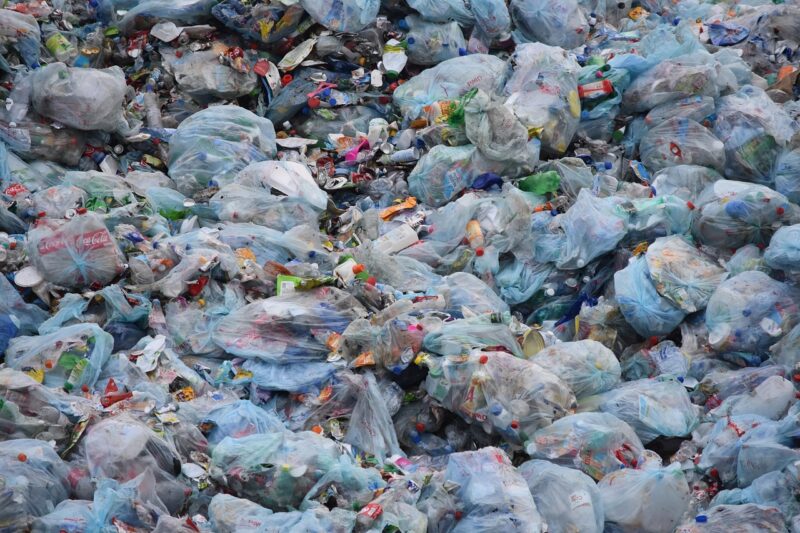
This review highlights that food loss and waste (FLW)—a major byproduct of inefficient food systems—represents a largely overlooked source and vector for antimicrobial resistance (AMR). FLW often contains residues of antibiotics, antibiotic-resistant bacteria, and resistance genes throughout the food value chain, and if poorly managed (e.g., in landfills or open dumps) can facilitate the spread of AMR into the environment via leachate, aerosols, wildlife, and human contact. While optimized bioconversion processes such as composting and anaerobic digestion can reduce AMR elements, inadequate treatment can still leave resistant bacteria and genes in end products, posing risks to public and environmental health. The authors conclude that FLW needs better management and integration into AMR surveillance and that efforts to reduce both antimicrobial use and food waste are critical to limiting these risks.
OUR UNDERWRITERS
Unrestricted financial support by:
 |
Antimicrobial Resistance Fighter Coalition |
 |
INTERNATIONAL FEDERATION PHARMACEUTICAL MANUFACTURERS & ASSOCIATIONS |
 |
BD |
AMR NEWS
Your Biweekly Source for Global AMR Insights!
Stay informed with the essential newsletter that brings together all the latest One Health news on antimicrobial resistance. Delivered straight to your inbox every two weeks, AMR NEWS provides a curated selection of international insights, key publications, and the latest updates in the fight against AMR.
Don’t miss out on staying ahead in the global AMR movement—subscribe now!


